
The United States stretches across six time zones and dozens of distinct travel regions, from the museums and medical corridors of Cleveland to the historic downtowns of the South and the university towns of the Atlantic coast. Choosing a hotel positioned near the sights you actually came to see can save hours of daily commuting and unlock a very different quality of trip. This guide covers five well-placed hotels across the country, each chosen for proximity to major landmarks, cultural sites, and local attractions worth your time.
What It's Like Staying in the United States for Sightseeing
The United States is one of the most geographically and culturally diverse countries on earth, offering everything from world-renowned art museums and historic downtowns to national parks, university campuses, and motorsport landmarks. Sightseeing here is highly city-dependent - Cleveland delivers dense cultural clusters like the Museum of Art and the Cleveland Orchestra within walking distance, while cities like DeLand, Florida, offer a slower pace with heritage architecture and access to motorsport venues. Crowds vary dramatically: major urban attractions can draw thousands of visitors daily in peak season, while smaller cities like Chapel Hill or Eagle Pass, Texas, offer more relaxed access to their respective landmarks. The United States rewards travelers who plan around neighborhoods rather than just destinations.
Why Choose Sightseeing-Focused Hotels in the United States
Hotels positioned near major cultural and sightseeing hubs in the United States tend to offer a measurable advantage in trip efficiency - guests typically spend around 40% less time in transit when staying within 1-2 km of their target attractions. Sightseeing-oriented properties, particularly Marriott-branded hotels in this category, frequently include business centers, fitness facilities, and breakfast options that support early-start itineraries. The key trade-off is noise: hotels in active cultural districts, near university campuses, or close to downtown corridors can experience elevated foot traffic and street noise, especially on weekends. Room sizes at 3- and 4-star sightseeing hotels in the US typically range from standard to suite-style extended-stay formats, with the latter offering kitchenette or full kitchen setups that significantly reduce daily meal costs for multi-night stays.
Pros:
- Walkable or short-drive access to major cultural landmarks and museums
- Many properties include breakfast, pool, and fitness center without luxury pricing
- Extended-stay formats (like Residence Inn) allow self-catering, reducing overall trip costs
Cons:
- Downtown and cultural-district hotels often charge premium parking fees or have limited free parking
- Weekend noise from local events, university activity, or bar districts can affect sleep quality
- Demand spikes around local events (race weekends, museum exhibitions, graduations) can push rates significantly higher
Practical Booking and Area Strategy for United States Sightseeing Trips
Location selection is the single most important booking decision on a US sightseeing trip. Cleveland's University Circle neighborhood packs the Cleveland Museum of Art, the Cleveland Museum of Natural History, and the Cleveland Botanical Garden into a walkable radius - making it one of the most efficient sightseeing bases in the Midwest. In North Carolina, Chapel Hill places you 17 km from Duke University and within 38 km of the North Carolina Museum of Art in Raleigh, giving you a college-town atmosphere with credible day-trip range. DeLand, Florida, is an underrated base: its historic downtown is compact and walkable, Daytona International Speedway is 30 km away, and Daytona Beach International Airport is just 32 km from most downtown hotels. For budget-conscious travelers, Eagle Pass, Texas, offers a border-region experience with proximity to Kickapoo Lucky Eagle Casino and the City of Eagle Pass Golf Course - a quiet, low-crowd alternative to larger Texas cities. Book at least 3 weeks ahead for peak season travel (summer and major local event weekends), particularly for Marriott-branded properties in college towns, which sell out rapidly during graduation and football seasons.
Hotels in the Midwest and Mid-Atlantic
These two properties serve travelers targeting the cultural and university corridors of Ohio and North Carolina, both offering well-connected bases with proximity to major sightseeing landmarks.
-
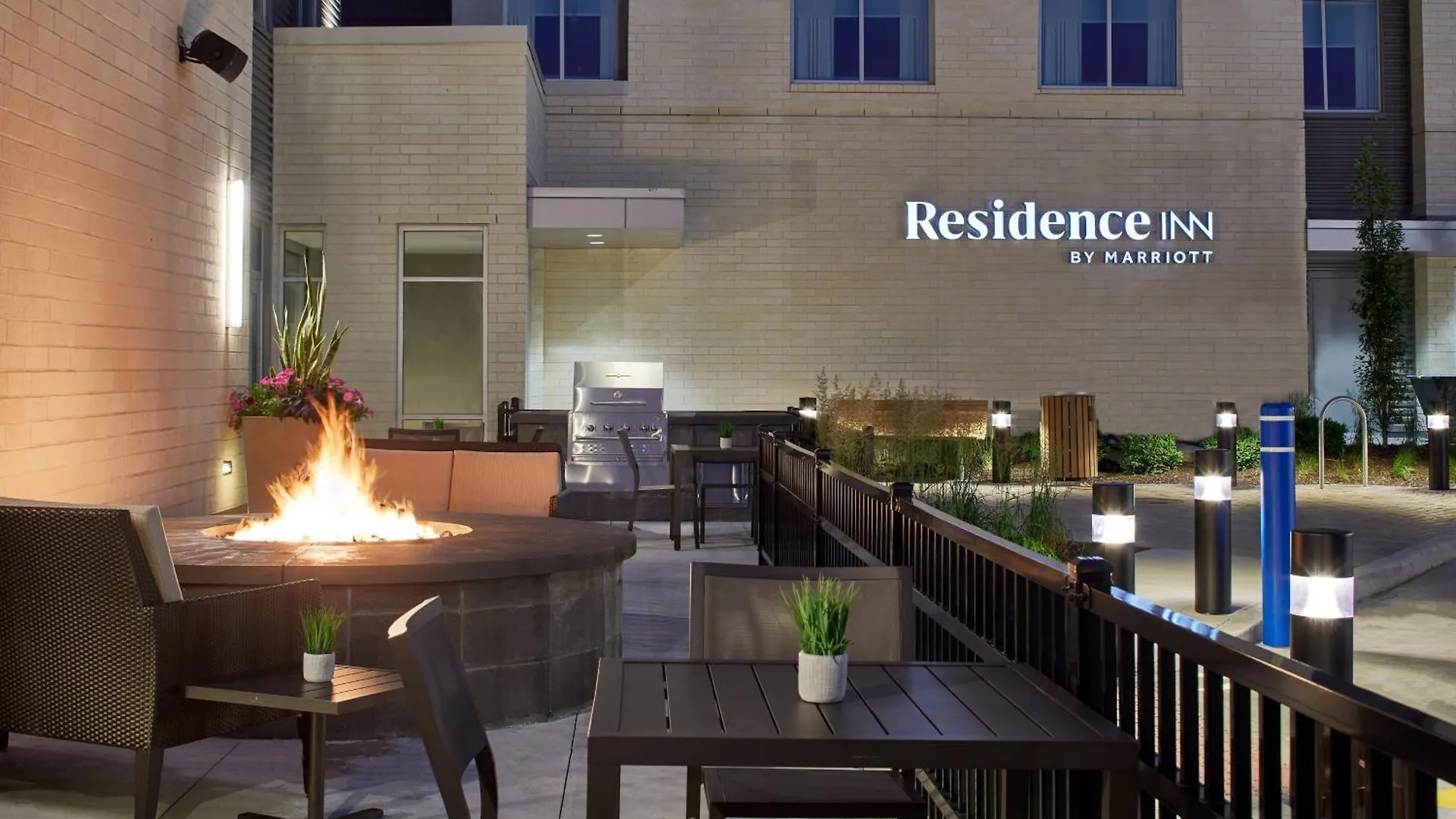
1. Residence Inn By Marriott Cleveland University Circle/Medical Center
Show on map


 Check-infrom 16:00 until 23:59Check-outuntil 12:00
Just a few rooms left at the best rate!
fromUS$ 199
-
2. Ac Hotel By Marriott Chapel Hill Downtown
Show on map


 Check-infrom 15:00 until 23:59Check-outuntil 12:00
Just a few rooms left at the best rate!
fromUS$ 215
Hotels in Florida and Texas
Spanning Florida's central corridor and the Texas-Mexico border region, these three hotels serve distinct sightseeing profiles - from motorsport tourism and botanical gardens to border-region leisure attractions.
-
3. Courtyard By Marriott Deland Historic Downtown
Show on map


 Check-infrom 16:00 until 23:59Check-outuntil 11:00
Hurry – almost gone at this price!
fromUS$ 130
-
4. Doubletree By Hilton Gainesville
Show on map


 Check-infrom 16:00 until 23:59Check-outuntil 11:00
Hurry – almost gone at this price!
fromUS$ 116
-
5. Microtel Inn And Suites Eagle Pass
Show on map


 Check-infrom 15:00 until 23:59Check-outuntil 12:00
Rooms filling fast – secure the best rate!
fromUS$ 60
Smart Travel and Timing Advice for Sightseeing in the United States
Timing your US sightseeing trip around local events and academic calendars makes a significant difference in both availability and cost. Summer (June-August) is peak season across most US destinations - hotel rates can rise sharply, and popular museums or landmarks in university towns like Chapel Hill and Gainesville attract large visitor volumes. September and October offer a practical sweet spot: crowds thin out after Labor Day, foliage begins in the Northeast and Midwest, and hotel rates in most markets drop noticeably. For Cleveland specifically, visiting outside the summer concert and museum exhibition peak means better room availability near University Circle. In Florida destinations like DeLand and Gainesville, avoid University of Florida home game weekends unless you book at least 6 weeks in advance - rooms fill completely. Eagle Pass and other smaller Texas border towns are less season-sensitive, offering more last-minute flexibility. For most US sightseeing trips, a minimum of 3 nights per city allows enough time to cover the primary landmarks without rushing, and early booking (6+ weeks out) is strongly recommended for any property near a university or major events venue.


